
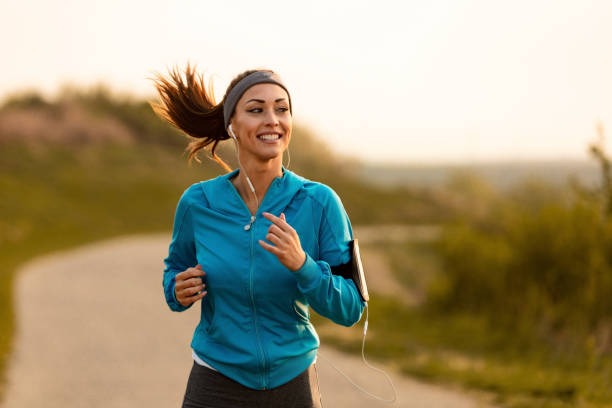
Living in a hot climate demands careful attention to hydration, as elevated temperatures increase fluid loss through sweating and respiration. A balanced hydration plan is essential to maintain optimal bodily functions, prevent dehydration, and support overall health. The foundation of such a plan involves understanding individual water needs, incorporating electrolyte balance, and adjusting intake based on activity levels and environmental conditions.
Water is the primary component of hydration and should be consumed regularly throughout the day rather than in large quantities at once. In hot climates, adults typically require more fluids than the standard recommendation of eight glasses per day due to increased perspiration. However, it is important to personalize intake according to body weight, age, physical activity intensity, and exposure duration to heat. For example, someone engaging in outdoor labor or exercise will need significantly more fluids compared to a sedentary person indoors.
In addition to plain water consumption, replenishing electrolytes lost through sweat is crucial for maintaining fluid balance within cells and supporting nerve and muscle function. Sodium, potassium, magnesium, and calcium are key electrolytes that help regulate hydration status. Consuming beverages with balanced electrolyte content or including foods rich in these minerals can aid recovery after prolonged heat exposure or thc gummies review vigorous activity. Natural sources like coconut water or homemade solutions with salt and citrus juice provide effective alternatives to commercial sports drinks that often contain added sugars.
Timing also plays an important role in achieving proper hydration under high temperatures. Starting the day with a glass of water sets a positive tone for consistent intake later on. Drinking small amounts frequently prevents stomach discomfort while ensuring steady absorption into the bloodstream. It is advisable not to wait until feeling thirsty since thirst signals mild dehydration has already occurred.
Monitoring urine color offers a practical way for individuals living in hot climates to gauge their hydration status; pale yellow indicates adequate hydration while dark amber suggests the need for increased fluid consumption.
Diet contributes significantly by providing both fluids and nutrients necessary for maintaining balance during heat stress conditions. Including fruits like watermelon or oranges adds natural moisture along with vitamins that support metabolic processes affected by heat exposure.
Avoiding excessive caffeine or alcohol intake helps minimize diuretic effects which can exacerbate dehydration risks when combined with high temperatures.
Ultimately, adopting a balanced hydration plan tailored specifically for hot climate living requires awareness of personal needs alongside environmental factors influencing fluid loss rates. By integrating regular water consumption with appropriate electrolyte replacement strategies and mindful dietary choices throughout daily routines under warm weather conditions promotes sustained well-being despite challenging thermal environments.