
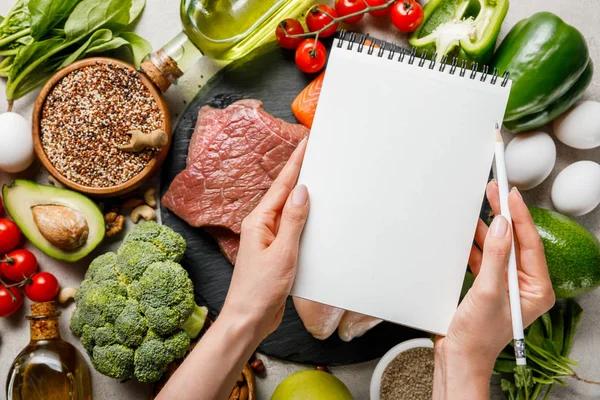
The quest for a balanced diet rich in protein continues to dominate conversations in nutrition circles. This emphasis is not surprising given the vital role that protein plays in our body — from muscle repair to hormone production. As people seek to optimize their dietary plans, the challenge often lies in figuring out how to incorporate an adequate amount of protein, such as 120 grams of protein, into daily meals without compromising on other nutritional needs.
Understanding Protein Needs
Each individual’s protein requirements can vary significantly based on factors like age, activity level, and overall health goals. While 120 grams of protein might be ideal for some, others might aim for different targets, like 140 grams of protein. Understanding one’s own nutritional needs is the first step towards creating a balanced diet. Protein-rich foods such as lean meats, dairy products, and legumes can help meet these goals. For instance, chickpeas, often questioned for their nutritional profile, are not only a good source of protein but also a versatile ingredient in many dishes.
Balancing Protein with Carbohydrates
A common concern is maintaining a balance between protein intake and carbohydrate consumption. Many wonder, “are chickpeas high in carbs?” While chickpeas do contain carbohydrates, they are complex carbs, which are digested slowly and provide a steady source of energy. This makes them an excellent choice for those looking to balance their macros effectively. By integrating foods like chickpeas into meals, one can enjoy both protein and carbohydrates in a single dish, supporting energy levels and muscle recovery.
Incorporating Low Fat Options
As people strive to increase protein intake, they often look for complementary low-fat options to prevent excessive calorie consumption. Products like low fat bread can be an excellent addition to a protein-rich diet, allowing for versatility in meal preparation without the added fats. Low fat bread paired with protein sources such as turkey, chicken, or even spreads made from chickpeas can make for a satisfying yet balanced meal option.
Practical Meal Planning
Effective meal planning is crucial for achieving protein goals. Consider starting the day with a high-protein breakfast, such as eggs or Greek yogurt, and incorporating protein at every meal. Snacks like nuts or hummus made from chickpeas can also boost protein intake throughout the day. By planning meals around protein, individuals can ensure that they meet their dietary targets while still enjoying a variety of foods.
What to Keep in Mind Next
As you continue on your journey to build a balanced diet rich in protein, remember that variety is key. Explore different sources of protein and be mindful of other nutritional needs. Regularly reassessing your dietary habits can help ensure that you are not only meeting your protein goals but also maintaining overall health and wellness.